A behind-the-scenes look at how we plan, plant, harvest and deliver quality vegetables to South Africa's largest retail networks — from the first seed tray to the shelf.
It Starts With a Demand Signal, Not a Seed
The most common misconception about fresh produce farming is that it begins in the soil. It doesn't. It begins with an order — or more precisely, with a forecast.
Our supply chain planning starts 8 to 12 weeks ahead of expected harvest, working backwards from the delivery date. We agree target volumes and specifications with our buyers, then plan planting schedules, input procurement, and labour allocation accordingly. A missed delivery date isn't just a sales problem — it's a 12-week production failure.
Seed Selection and Nursery Phase
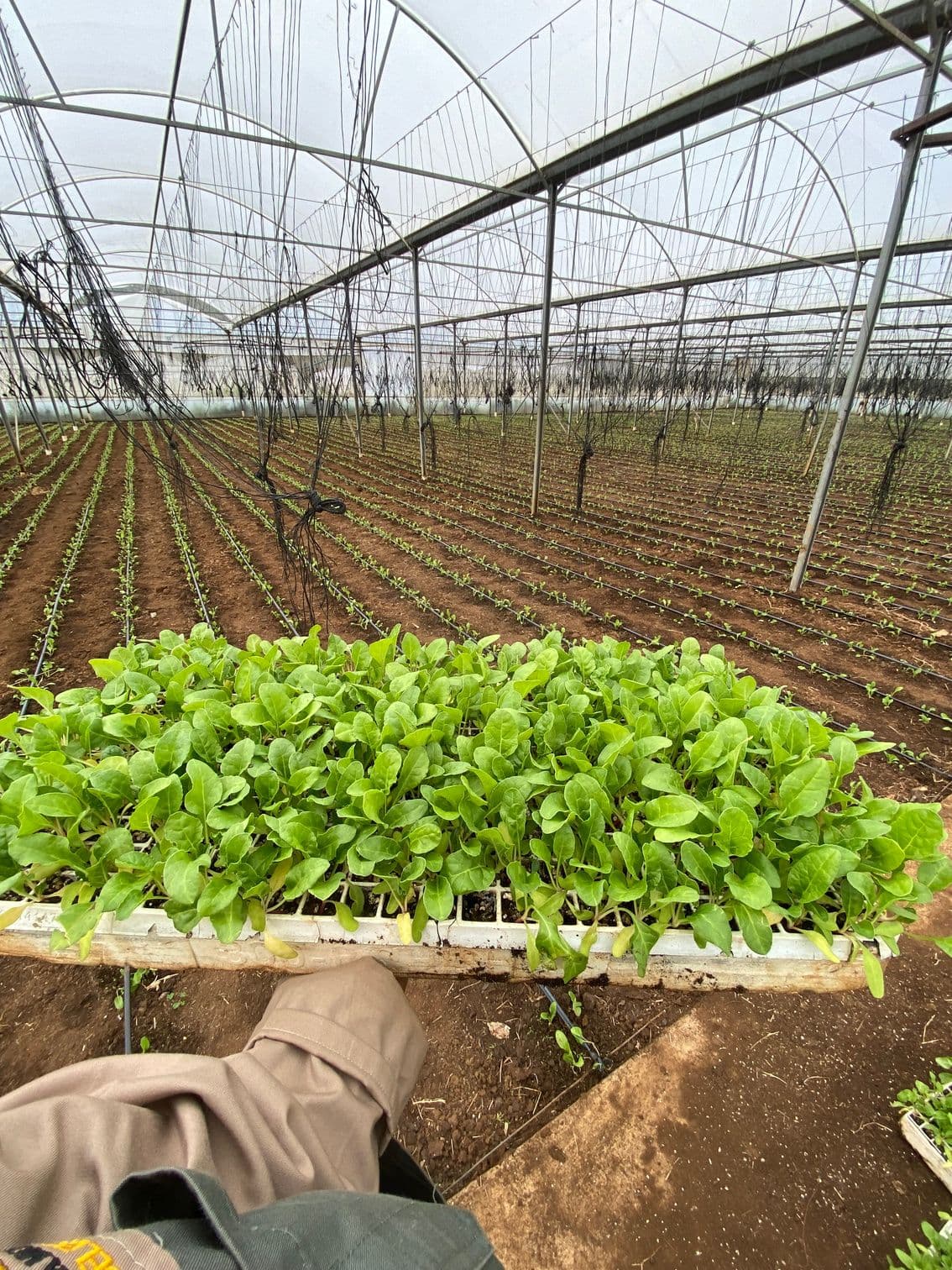
For most of our crops, we start in the nursery. Seeds are sown into plug trays filled with a professional seedling mix and germinated under controlled conditions. Temperature, humidity and light are monitored daily.
We source seed from certified, trusted suppliers and maintain strict variety records. Consistency of variety is critical to our retail buyers — they need predictable size, colour and shelf life. A surprise in the nursery becomes a problem in the pack shed.
Field Preparation and Transplanting
Healthy soil is the foundation of everything. Before transplanting, we apply compost, conduct soil tests, and adjust pH where necessary. We've moved progressively away from synthetic fertilisers toward a balanced approach that prioritises soil biology.
Transplanting is labour-intensive and timing-sensitive. We aim to transplant in the late afternoon or on overcast days to minimise transplant shock. Plants are irrigated immediately and checked daily for the first week.
Crop Management and Quality Monitoring
From transplant to harvest, crop management is a daily process. Our team monitors for pest and disease pressure, checks soil moisture, scouts for nutrient deficiencies, and records observations. Any anomaly triggers a response within 24 hours.
We follow Integrated Pest Management (IPM) principles, using biological controls wherever possible and limiting chemical inputs to registered products applied at the correct rates and timings. Our record-keeping supports full traceability — a non-negotiable requirement for formal retail supply.
Harvest and Post-Harvest Handling
Harvest timing is critical. Tomatoes picked too early will never reach the flavour profile that consumers expect; too late and shelf life is compromised. Our harvest team is trained in variety-specific maturity indicators and follows strict grading standards.
Post-harvest, produce moves into our pack shed within two hours of cutting. It is graded, washed where required, packed to buyer specification, and pre-cooled before loading. Cold chain integrity from farm to distribution centre is documented and auditable.
Delivery and Retail Partnership
We deliver to buyer distribution centres on agreed schedules. Our relationship with buyers is not transactional — it's a partnership. We share production forecasts, flag potential supply constraints early, and continuously work on improving our quality consistency.
Being a reliable supplier is harder than being a good farmer. Retail buyers need certainty more than they need perfection. Our entire supply chain is built around that reality.