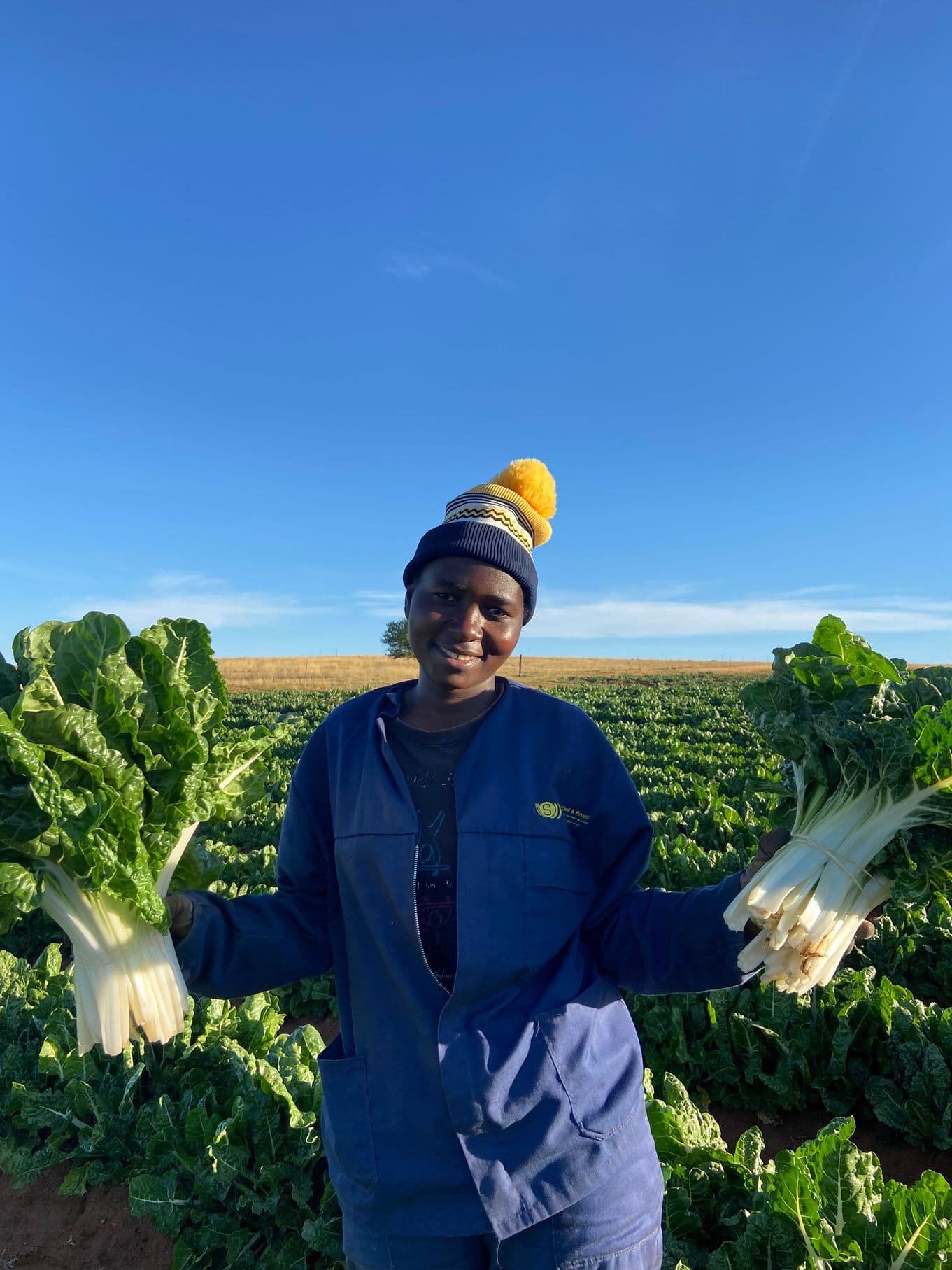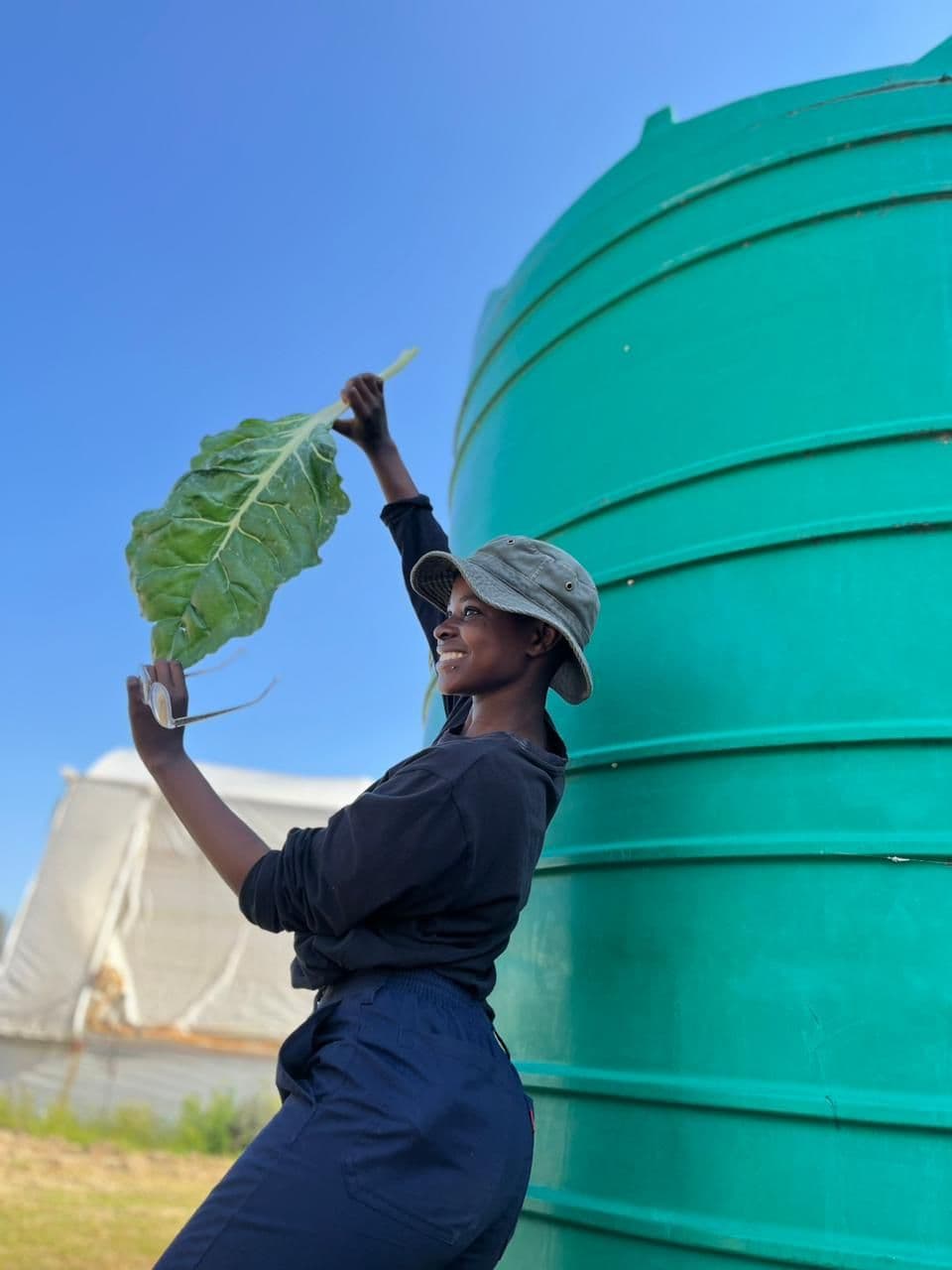
A look at the growing movement of women-led agri-enterprises and the impact they're having on food security, rural employment and investment in South Africa.
A Sector in Transformation
South African agriculture has historically been dominated by large-scale, white male-owned commercial farms. That picture is changing — and the change is being led, in significant part, by women.
According to Statistics South Africa, women now make up over 60% of subsistence farmers and a growing share of commercial agri-enterprise owners. What was once invisible labour is becoming visible leadership, and the results are measurable.
What Women Bring to Agribusiness
Research across developing economies consistently shows that when women control agricultural income, more of it is reinvested into the farm, into children's education, and into the broader community. Female-led businesses tend to take a longer view, prioritising soil health, worker welfare, and market relationships over short-term yield extraction.
At Harvst Haven, this ethos is baked into our DNA. We don't just grow crops — we grow people, partnerships, and a business built to last beyond the next harvest.
The Challenges Are Real
Access to land remains the most significant barrier for aspiring female commercial farmers. Despite post-apartheid land reform, the majority of productive agricultural land in South Africa remains outside the hands of Black women.
Access to finance is the second major constraint. Traditional lenders still apply risk models that penalise smaller enterprises and first-generation farmers. Development Finance Institutions (DFIs) like the Land Bank and IDC have improved their small farmer lending products, but demand far outstrips supply.
We've experienced these obstacles firsthand. Building Harvst Haven required persistence, creative financing, and building trust with buyers before expecting it from banks.
The Infrastructure That's Changing Things
Several catalysts are accelerating female participation in commercial agriculture. The Women in Agribusiness (WIA) network provides mentorship, market access introductions, and peer support. Government programmes like the Agri-BEE framework create incentives for commercial agri-enterprises to partner with and procure from qualifying black-owned businesses.
Retail buyers — notably Shoprite Checkers and Pick n Pay — have increasingly formalised supplier diversity targets, creating real market pull for qualifying female-owned producers.
Where Harvst Haven Fits
We are a product of this moment. Founded in 2023 by a South African woman with a vision of a self-sufficient, investor-grade agri-enterprise, Harvst Haven has grown to serve multiple retail and institutional market partners in under three years.
We see ourselves not just as a business, but as proof of concept. Every kilogram of produce we deliver, every job we create, every partnership we formalise makes the path a little clearer for the next female entrepreneur looking at a piece of land and seeing potential where others see risk.